Ways to Know If You Need Pest Control in Toronto
If you live in Toronto and you are wondering whether a few signs around the home are “normal” or a real pest problem, the answer usually comes down to repeated signs. One mouse in the fall may be a warning. Droppings in the pantry, scratching in the walls, or repeated sightings of cockroaches are much stronger signs that you need pest control Toronto residents can rely on.
For house owners and tenants, the main question is not only whether pests are present, but how far the infestation has expanded, what kind of health risk or property damage is emerging, and whether DIY steps are still enough. Toronto’s historic homes, basements, and multi-unit buildings offer plenty of entry points for pests, so spotting first signs of evidence matters.
What are the most telling signs you require pest control in Toronto?
The best-known signs are usually the ones you can notice, sense, or listen for. If you notice pest droppings, chewed wiring, nesting materials, or repeated activity in the same area, it is time to treat the issue seriously. In Toronto, these signs often appear in kitchens, basements, attics, and around utility openings where pests can come and go of the structure.
A professional inspection can determine whether you are dealing with a single intruder or a larger infestation. That distinction matters because pest control Toronto services can extend from simple prevention to full extermination and follow-up treatment.
Droppings, grease marks, and scents
One of the most reliable clues is droppings. Rodent droppings are often found near food storage, under sinks, behind appliances, or along baseboards. Cockroach droppings may look like pepper or coffee grounds, especially in cabinets and under sinks. If you see either type repeatedly, the problem is probably ongoing, not historical.
Odour is another red flag. A mouse urine smell can show up in enclosed spaces such as cupboards, closets, and wall voids. Grease marks along walls or baseboards may also indicate travel paths, especially where mice and rats repeatedly brush against surfaces. These signs are common in Toronto apartments, older homes, and multi-unit buildings where pests can travel through shared spaces.
Look for nesting materials too. Shredded paper, insulation, fabric, or food packaging can signal nesting. When pests are building nests, it usually means they have already found shelter and a food source.
Noises in walls, attics, and ceilings
Scratching sounds at night are often one of the first signs of rodents. In Toronto, many homeowners hear activity in the ceiling or attic as temperatures drop. Rodents in attic spaces may also cause insulation damage, while rats in walls can move between floors and create repeated noises that are hard to ignore.
If you hear rattling, biting, or scrabbling sounds, especially after dark, there may be rodents moving through hidden areas. As Toronto winters send pests indoors, noises in walls and ceilings often become more obvious in late fall and winter. A licensed exterminator can inspect the structure, locate entry points, and determine whether rodent control is needed.
Visible insects or repeated sightings
Seeing one insect does not always mean there is an infestation, but repeated sightings usually do. Cockroaches that show up in kitchens, bathrooms, or near drains are a common sign of cockroach control issues. Bed bugs are another major concern, especially if you notice them after travel, furniture moves, or complaints from neighbours in shared housing.
Ants may seem minor, but if they keep reappearing, there may be a trail to food, moisture, or a nest inside the structure. In Toronto apartments, even a small pest issue can become a building-wide concern if shared walls allow movement between units. If you are noticing the same insects again and again, it is worth booking an inspection before the problem spreads.
What Toronto pest problems indicate you should act fast?
A few pests are more pressing than others. Bed bugs, mice, rats, and cockroaches tend to spread fast and can create a health concern or property damage if left alone. In many cases, the right response is not delaying to see if the problem goes away. It is booking pest control Toronto service fast enough to stop the infestation from growing.
Quick response is particularly vital in Toronto apartments, condos, and multiunit buildings where pests can move through shared walls and common areas. Once the issue reaches neighbouring units, treatment becomes more complicated and costlier.
Bed bugs in apartments and condos
Bed bugs are among the most frustrating pest problems for Toronto renters and condo owners because they can spread discreetly and are hard to eliminate without professional bed bug treatment. The bites may appear as itchy welts, but the bites themselves are not sufficient to confirm an infestation. You also need to look for live bugs, shed skins, dark spotting on bedding, and activity along mattress seams or furniture joints.
In many cases, bed bug heat treatment toronto services are advised because heat treatment can penetrate hidden areas where bed bugs hide. When comparing the cost of bed bug treatment, you may also see heat treatment for bed bugs cost listed separately from prep, inspection, or follow-up service. The final cost of bed bug treatment typically depends on room count, infestation size, and whether multiple units are involved.
Toronto apartments and apartment units can make bed bug control more bed bug control more pressing because shared partitions and shared ventilation can let the pest problem to travel from one apartment to another. If you think you may have bed bugs, do not put it off. The longer they stay, the harder extermination becomes.
Mice and rats in basements and kitchens
Mice and rodents are notably frequent concerns in Toronto lower levels, service rooms, and kitchens. Many older homes often have cracks in the foundation, service openings, and other entry points that make it easier for rodents to get inside. After entry, they can pollute food, damage insulation, and chew materials, including chewed wiring that creates an electrical hazard.
If you are trying to find how much is pest control for mice, the answer varies with the severity of the infestation and whether the service includes entry sealing. The most reliable lasting approach typically combines snap traps, sanitation, and sealed entry points. That last step is vital because trapping alone will not stop new rodents from entering.
Many homeowners inquire about diy fumigation for mice, but fumigation is generally not the best first step for rodent control. Rather, an assessment should determine where the mice are gaining access and whether there are nesting zones in the basement, attic, or behind walls. If you are noticing noises, finding droppings, or smelling mouse urine smell, it is time to move beyond basic DIY.
Roaches in multi-unit buildings
Cockroach infestation issues can grow quickly in shared buildings, especially where food, humidity, and warm shelters are easy to find. These cockroaches are particularly challenging because they multiply fast and hide in tiny crevices near cooking spaces and bathrooms.
Under these circumstances, sanitation is not something to skip. Wiping up crumbs, clearing grease, securing food properly, and cutting down clutter all support cockroach control. Still, sanitation alone is rarely enough if the infestation is established. A cockroach exterminator toronto cost may vary based on the unit size, infestation level, and whether repeat visits are needed.
If you live in Toronto condos or apartments and keep seeing cockroaches after washing up, do not assume it is a small problem. In multi-unit buildings, roaches can move between units through spaces around pipes, cabinets, and walls.
When do you need DIY sufficient, and when do you need a pro?
DIY can be effective for minor, limited issues, but it has limits. The key question is whether you are dealing with a single pest sighting or a repeating pattern. If you are already finding droppings, hearing movement, or seeing pests in more than one area, it is usually time to look for pest control https://mississauga-onhg393.bearsfanteamshop.com/forecast-in-mississauga-on-monthly-climate-patterns-and-what-to-know near me options and compare the top pest control near me providers in your area.
Toronto homeowners often review services across the GTA, including Mississauga, Brampton, and Hamilton, when checking availability and pricing. That can help you gauge whether the issue is a fast solution or one that needs a licensed exterminator.
Signs a DIY approach may work
DIY may be enough if you had a single pest sighting, no repeat activity, and no sign of nesting or droppings. For example, one mouse spotted near a door does not always mean a full infestation. In that case, entry sealing, sanitation, and monitoring may solve the issue before it grows.
Simple prevention steps can make a meaningful difference: store food properly, remove garbage promptly, fix moisture issues, and close gaps around pipes, vents, and doors. If the problem is minor, these steps may be enough to stop pests from returning. Still, continue watching for droppings, odours, or repeated sightings.
Signs you need a licensed exterminator
If pests keep returning after you have cleaned, sealed, and trapped, you may be dealing with reinfestation. That is a strong sign you need professional support. A licensed exterminator can inspect the property, identify hidden entry points, and build a treatment plan that addresses the whole infestation rather than one visible pest.
You should also call a professional when there is a health risk, such as food contamination, allergic reactions, or bed bugs in sleeping areas. Property damage is another warning sign, especially if rodents are chewing wiring, insulation, or structural materials. In these cases, waiting usually increases both the risk and the eventual repair bill.
How much does pest control cost in Toronto?
Costs differ significantly, but Toronto residents often start by comparing pest control toronto cost, pest control cost ontario, and pest control prices near me to understand what is fair. The final price usually varies with the pest type, the size of the infestation, and whether the job requires follow-up service.
It additionally depends whether you need one treatment or a more comprehensive control and prevention plan. A simple inspection is not the same as a full-service rodent control or bed bug treatment program.
Common cost factors for Toronto homes and condos
Various things affect pricing. How large the infestation is is one of the main drivers, since a minor issue may require a smaller number of visits than a larger problem. Service type also plays a role: a check-up, trap installation, caulking, thermal treatment, and follow-up all influence the total cost.
An survey fee may be charged upfront, notably if the technician needs to assess entry points, harboring spots, or contamination. Older, more established homes and multi-unit buildings may require more time to inspect because pests can hide in basements, wall voids, and shared utility chases.
If you are reviewing pest control near me prices, find out what is part of the service so you can compare like for like. A cheaper quote is not always better value if it excludes sealing, aftercare, or follow-up calls.
Bed bug mice and cockroach pricing signals
Bed bug control often costs more than a basic insect visit because the treatment can involve thorough assessment, preparation, and additional visits. If you are checking heat treatment for bed bugs cost, ask whether the quote includes preparation guidance, treatment coverage, and any follow-up.
For rodents, how much is whether the service offers mouse traps, entry sealing, and repairs to entry points. If the provider only places traps but does not seal entry points, the problem may come back.
For cockroaches, cockroach exterminator toronto cost typically accounts for the challenge of addressing hidden areas and offering sanitation guidance. In structures with German cockroaches, the process may need more than one visit to fully eliminate the infestation.
The reasons Toronto’s climate and housing stock attract pests
Toronto has several conditions that make seasonal pests more active and more likely to enter homes. Toronto winters send rodents indoors, while warm, humid weather can increase insect activity. On top of that, older homes, basements, and multi-unit housing create lots of hiding places and access routes.
Mosquito Man Toronto224 King St W #2401, Toronto, ON M5J 0A6, Canada
+16472437241
https://maps.app.goo.gl/VbxNrosScd6ZL8U39
https://mosquitoman.ca/pest-control/toronto/
JJX7+23 Toronto, Ontario, Canada
That mix means Toronto homeowners and renters should keep an eye on pest issues throughout the year, not just during one season.
Seasonal pest patterns in Toronto
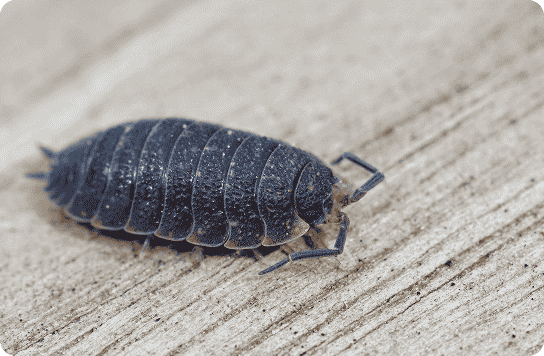
Spring thaw can reveal overwintering pests that have been sheltered inside walls, basements, or crawl spaces. As temperatures rise, insects become more active and may begin searching for food and moisture.
Summer humidity often brings more insect pressure, including cockroaches and ants. Moisture and warmth can make kitchens, bathrooms, and storage areas more attractive to pests. In fall rodent movement becomes especially noticeable as mice and rats look for indoor shelter before winter.
Toronto winters are a major reason rodent control becomes necessary. Cold weather nudges animals toward heated buildings, and even small gaps can become entry points.
Neighbourhood and building factors
Basements are a common access zone in Toronto because foundation gaps and utility openings are often close to the ground. Older homes may have more wear, more cracks, and more opportunities for pests to get inside.
Multi-unit buildings are another major factor. Shared walls, shared plumbing, and shared hallways can allow bed bugs and cockroaches to spread between units. Food waste in garbage rooms, loading areas, and common trash bins can also draw pests in and keep them nearby.
That is why pest issues in Toronto often need more than a quick spray. They need coordinated inspection, sanitation, and prevention strategies that match the building type.
How to choose pest control near you in Toronto
When you seek pest control near me, focus on certifications, regional know-how, and how the company deals with inspection and follow-up. The best pest control near me option is not always the least expensive. It is the one that can detect the problem accurately and resolve it safely.
Because Toronto residents often evaluate services across the GTA, it helps to ask whether the company works in Toronto apartments, older homes, and multi-unit buildings, and whether they understand the pest pressure common in your neighbourhood.
What to ask before booking
Start with the inspection process. Ask what areas will be checked, how the technician will spot entry points, and whether the inspection includes advice on sanitation or exclusion. A good treatment plan should explain what will happen, how long it may take, and whether follow-up service is included.
Ask who will do the work and whether a licensed technician will be involved. You should also ask how the provider handles bed bug treatment, rodent control, or cockroach control if your issue turns out to be more than one pest.
Clear communication before booking can save time and help you assess providers fairly.
Red flags to avoid
Be cautious with guarantees that sound too broad. No company can promise that pests will never return if conditions stay favourable. Hidden fees are another warning sign, especially if inspection, prep, or follow-up are not clearly explained in advance.
Avoid providers that rely on unsafe chemicals or do not explain how treatments will be applied in occupied homes. Safety matters, particularly in Toronto apartments, condos, and family homes where people and pets may be present.
Reliable pest control should focus on inspection, targeted extermination, prevention, and realistic follow-up, not scare tactics or vague promises.
FAQ: common questions about pest control in Toronto
How do I know if I need pest control in Toronto?
If you notice recurring droppings, hear scratching in walls or ceilings, notice urine-like smells, or notice pests more than once, you likely need pest control Toronto homeowners and renters can trust. One pest can sometimes be handled with cleaning plus sealing entry points, but repeated signs usually point to an active infestation.
What pests are most common in Toronto homes and condos?
The most common concerns are mice, rats, cockroaches, bed bugs, and ants. Toronto apartments and multi-unit buildings are particularly vulnerable to bed bugs and cockroaches because shared walls can let pests spread between units. Older homes often experience rodent problems because of gaps in the foundation and utility openings.
How much does pest control Toronto generally cost?
Costs vary based on infestation size, service type, inspection, and whether follow-up is needed. Pest control toronto cost can be very different for a small mouse or rat issue versus a full bed bug treatment. It can help to check pest control cost ontario and pest control prices near me so you can review local pricing options before booking.
Is DIY fumigation for mice effective in Toronto homes?
Usually not for long-term control. DIY fumigation for mice is not the usual method for rodent problems in Toronto. What works better is inspection, snap traps when suitable, sanitation, and sealing access points. If mice are already settled in or returning, a licensed exterminator is usually the safer and more effective choice.
When should I call a pest control company after spotting bed bugs or roaches?
As soon as possible. Bed bugs and cockroaches spread quickly, especially in Toronto apartments, condos, and multi-unit buildings. If you suspect bed bugs, schedule an inspection promptly so treatment can begin before the infestation grows. The same is true for roaches, since sanitation alone often will not stop a growing problem.