Annual Insect Control Advice for Toronto Homes and Businesses
Why year-round pest prevention matters in Toronto
For pest control Toronto services, stopping problems early is often more effective than holding off for a serious infestation. The city’s Toronto homes and businesses face changing pest pressures all year because of the local climate, construction types, and the way pests adapt to temperature swings. Seasonal pest prevention helps reduce entry, nesting, and breeding opportunities before a small issue turns into a larger problem.
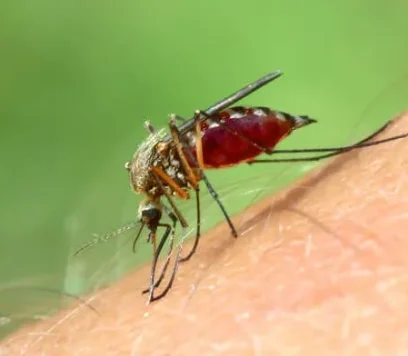
Toronto’s seasonal pest pressure is shaped by the winter-spring temperature shifts, which can open tiny cracks, gaps, and utility penetrations around foundations, siding, windows, and rooflines. Those openings are ideal for exclusion failures, especially in older detached homes, semi-detached houses, older low-rise buildings, and multi-unit apartments/condos. In these property types, pests spread differently: a mouse may enter through a basement gap in a house, while a cockroach or bed bug issue may move through walls, shafts, or shared hallways in an apartment building.
Mosquito Man Toronto224 King St W #2401, Toronto, ON M5J 0A6, Canada
+16472437241
https://maps.app.goo.gl/VbxNrosScd6ZL8U39
https://mosquitoman.ca/pest-control/toronto/
JJX7+23 Toronto, Ontario, Canada
A strong prevention plan is part of pest control integrated pest management. That means focusing on inspection, monitoring, sanitation, moisture control, and weatherproofing before scheduling a treatment plan. It also supports property protection, lowers health risk, and reduces the need for repeated emergency service calls. For many property owners, a seasonal routine is the most practical way to keep pests under control.
Spring pest prevention in Toronto
The spring season is a peak time period for ants, wasps, and carpenter ants because rising temperatures bring pests up and promote nesting. As snow melts and rain increases, foundation cracks become more visible, and some expand after winter stress. In Toronto, this is a typical time to inspect basements, garages, porches, and rim joists for new access points.
Ants often follow moisture and food sources into kitchens or wall voids. Carpenter ants are highly important in older Toronto homes because they may be linked to damp wood, leaks, or hidden decay. Wasps begin constructing nests in soffits, eaves, decks, and sheds as soon as conditions allow. A spring walkthrough should center on sealing gaps, correcting drainage issues, and reducing attractants before colonies grow.
Spring is also the season to check window frames, exterior vents, and utility penetrations. A small crack around a cable line or pipe can be enough for pests to enter. If you manage a property in the GTA, spring maintenance should be considered as preventive maintenance, not just cosmetic repair.
Summer pest control Toronto priorities for Toronto properties
Summer creates greater outdoor activity, which also means more exposure to cockroaches, flies, and mosquitoes. Hot weather increases breeding cycles, and food waste, standing water, and poor ventilation can create the environment pests need. For restaurants, retail locations, and busy households, summer is a critical season for sanitation and monitoring.
Outdoor breeding areas are a serious concern around Toronto properties. Mosquitoes can develop in clogged eavestroughs, birdbaths, plant saucers, garbage area puddles, mosquito spraying services Toronto and low spots in yards. Flies are often linked to bins, organic waste, compost, and pet waste. Cockroaches can move from exterior spaces into kitchens, utility rooms, or storage areas when temperatures rise and food sources are easy to find.
To reduce summer pressure, leave garbage tightly closed, flush drains, inspect loading areas, and remove standing water quickly. Property managers should also educate residents and staff about food storage and waste handling. Good resident education can make a major difference in long-term pest control Toronto outcomes, especially in multi-unit properties.
Fall prevention: keeping mice and rodents away before winter
Autumn is the ideal time to prevent mice and rodents from entering your home before temperatures fall. When outdoor food becomes scarce, rodent activity spikes near homes, restaurants, and commercial buildings. In Toronto, the fall transition often exposes new entry points created by shifting materials, worn seals, and damage from the summer season.
Sealing up the building is essential here. Add or repair weatherstripping on doors, repair gaps under garage doors, seal utility lines, and close openings around vents and foundation joints. Mice can fit through very small spaces, so a proper exclusion approach is far better than trap-only thinking. If you hear scratching, see droppings, or notice gnaw marks, the issue may already be beyond a single visitor.
Toronto homes with attached garages, older basements, and shared walls require extra attention. Rodents often follow warm voids and travel along hidden routes. The sooner you seal the structure, the less likely you are to need a larger intervention later.
Frigid-season pest problems in temperature-controlled Toronto buildings
Winter does not halt rodent activity in temperature-controlled buildings. Actually, indoor heat can sustain bed bugs, cockroaches, and rodents, especially in apartment buildings with shared walls. Toronto’s colder months often push pests deeper into wall systems, utility chases, and warm mechanical areas. This is why winter pest control should emphasize inspection, monitoring, and coordinated building response.
Bed bugs are not caused by poor housekeeping alone, and they can spread quickly through multi-unit housing through luggage, furniture, and wall-adjacent travel. Cockroaches thrive where warmth, food debris, and moisture are available, including kitchens, laundry rooms, and utility rooms. Rodents can remain active in wall voids, ceiling spaces, and storage rooms all winter long.

For landlords, condo boards, and property managers, winter prevention means more than one-unit treatment. It often requires communication across units, rapid reporting, and follow-up service. In shared-wall housing, a single untreated source can undermine the entire prevention effort.
How to check your home for seasonal pest risks by seasonal changes
A useful inspection checklist helps you avoid seasonal pest problems. You don’t need to look everywhere every week, but you should inspect the areas pests use most often. First check the attic, basement, and kitchen, since these are common entry and harborage zones in Toronto properties.
In the attic, check insulation disturbances, droppings, nesting materials, and gaps around vents or roof penetrations. In your basement, look for moisture, cracks, and signs of rodent movement near sill plates, utility lines, and foundation edges. In your kitchen, inspect under sinks, behind appliances, around pantry items, and along baseboards for droppings, grease trails, or live activity.
A seasonal inspection should also include windows, doors, porches, garage corners, storage rooms, laundry areas, and trash spaces. You are looking for early warning signs of an infestation, not just visible pests. When you catch evidence early, the easier it is to build an effective treatment plan and avoid unnecessary damage.
When DIY prevention is adequate and when to reach out to a pro
DIY pest control can help when the issue is small, localized, and caught early. Practical steps like sealing gaps, better sanitation, minimizing clutter, and managing moisture can halt many pest problems before they grow. If you notice just a few ants, several flies, or a single mouse sign in a known access area, DIY efforts may be enough to begin with.
However, recurring infestations are a strong sign that you need a professional inspection. If pests keep coming back despite cleaning and sealing, there may be hidden nesting sites, structural access, or a source you cannot see. This is where an exclusion sealing approach becomes necessary, along with targeted monitoring and possible treatment.
Call an exterminator sooner if you suspect bed bugs, cockroach colonies, or active rodents spreading through a building. Those pests usually need a more complete plan than simple DIY methods can provide. Professional support is especially helpful in apartment buildings, older low-rise buildings, and commercial properties where the risk of spread is higher.
How much does pest control cost in Toronto?
Homeowners and property managers often seek out pest control toronto cost and compare pest control prices near me before arranging treatment. In reality, pricing depends on pest type, property size, access, severity, and whether the job requires repeated visits or specialized equipment. It is also usual for people to ask, how much is pest control for mice or what the cost of bed bug treatment might be.
For basic prevention, Toronto pricing may be more affordable than for active infestations because prevention usually involves a checkup, minor sealing, advice, and monitoring. Once an infestation is confirmed, the price can increase based on treatment complexity and follow-up needs. Comparing quotes is helpful, but the cheapest option is not always the best long-term deal.
When evaluating pest control cost ontario wide, remember that Toronto properties often face higher service expectations due to dense housing, multi-unit structures, and year-round pest pressure. Good service should include a detailed plan, not just a one-time visit.
Cockroach exterminator Toronto cost and what affects pricing
The cockroach exterminator toronto cost depends heavily on infestation severity. A limited local issue in one room will cost less than a building-wide problem with multiple harborage areas. Pricing also changes based on the treatment method used, whether gel baits, dusts, crack-and-crevice applications, or broader sanitation support are needed.
Follow-up visits matter because cockroach control is rarely a quick-fix job. In Toronto apartments, restaurants, and shared buildings, repeat monitoring is often necessary to confirm the problem is declining. If the underlying moisture or sanitation issue is not corrected, the pest pressure may return.
Bed bug heat treatment Toronto: what it is and what it costs
Bed bug heat treatment toronto is a specialized service that raises the temperature of affected spaces to levels intended to eliminate bed bugs in all life stages. Many people ask about heat treatment for bed bugs cost because it can be more expensive than simpler methods, but it may also be more efficient in some situations.
The last price usually depends on the scale of the bed bug inspection, the size of the unit, furnishing arrangement, and whether more than one room or apartments are involved. Furniture preparation can also impact the process, since items often need to be arranged, sealed, or moved according to provider instructions. In multi-unit Toronto buildings, coordination and access can also change pricing.
Comparing local pest control searches without choosing on price alone
Search terms like pest control near me, best pest control near me, and pest control near me prices can help you find local providers, but they should not be the only considerations. A lower quote may omit inspection detail, exclusion work, or follow-up service. That can lead to a cheaper initial visit but a more expensive problem later.
Look for providers that explain their process clearly, including prevention steps, monitoring, and service guarantees. If a company offers strong service guarantees and practical guidance, it may provide better long-term value than the lowest bid. Good pest control Toronto service should combine assessment, prevention, and accountability.
Toronto vs nearby Ontario cities: why service needs differ
Toronto’s urban density and housing mix create different service expectations than nearby cities. For example, pest control mississauga, pest control brampton prices, and pest control hamilton prices may reflect different property types, travel times, and pest patterns. Overall pest control cost ontario varies because local building stock, climate exposure, and demand differ from one city to another.
Toronto also has more high-density multi-unit housing than many surrounding areas, which changes how bed bugs, cockroaches, and rodents spread. In suburban areas, detached homes and townhouses may dominate, while downtown Toronto often requires more coordinated treatment in apartments and condos. That is why a prevention-first strategy should be tailored to the property, not just the pest.
Comparing Toronto demand with London, Kitchener and other markets
When comparing pest control london ontario and pest control kitchener to Toronto, the main difference is often market competition and residential density. Toronto service demand tends to be driven by bigger buildings, increased tenant turnover, and harder access issues. By contrast, other markets may see distinct pest patterns based on neighbourhood layout and building age.
Even pest control edmonton prices can be useful as a reference point only, since climate, season length, and local regulations can change costs and service style. The key lesson is that regional competition affects how companies price and structure their services. Toronto owners should focus on fit, scope, and prevention quality rather than assuming one market’s pricing applies everywhere.
Atlantic Canada references for comparison only
Some property owners compare Toronto options with pest control fredericton nb, adams pest control fredericton, or adams pest control moncton, but those examples are mainly useful for understanding service area differences. Different regions face different climate conditions, building densities, and call volumes, which affect both scheduling and service design.
For Toronto, the priority is matching service to dense housing, freeze-thaw stress, and year-round indoor pest pressure. A good local plan should account for these realities rather than relying on a generic template.
Seasonal prevention checklist for Toronto property owners
A simple prevention checklist helps you stay organized throughout the year. Focus on the basics first, then build season-specific tasks around them. The goal is to reduce attractants, close access, and support long-term property protection.
- Caulking: Seal cracks around pipes, windows, baseboards, siding, and foundation openings.
- Sanitation: Keep kitchens, storage rooms, and waste areas sanitary and dry.
- Trash management: Use sealed bins and remove garbage regularly, especially in summer.
- Landscaping: Trim vegetation away from structures and reduce clutter near walls.
- Moisture control: Fix leaks, improve ventilation, and dry damp areas quickly.
- Monitoring: Check basements, attics, kitchens, and utility areas for early signs.
- Weatherproofing: Reinforce doors, windows, and exterior penetrations before fall and winter.
For Toronto properties, this checklist should be revisited after major weather changes. The freeze-thaw cycle can create new vulnerabilities even if the building looked fine a month earlier. Preventive maintenance is often the difference between a small repair and a costly infestation response.
Frequently asked questions about seasonal pest prevention in Toronto
Which pests show up most often in Toronto by season?
In spring you may see ants, wasps, and carpenter ants; summer increases pressure from cockroaches, flies, and mosquitoes; fall is the primary season for mice and rodents moving indoors; and winter commonly involves bed bugs, cockroaches, and rodents in heated buildings. Preventing pests seasonally works best when you match your actions to the pest that is most active at that time of year.
How often should I schedule pest control in Toronto?
That depends on the property type and risk level. Many Toronto homes can benefit from seasonal inspections, while apartments, condos, restaurants, and multi-unit properties may need more frequent monitoring. If you have recurring infestations or a history of rodent activity, a more regular schedule is usually better than waiting for visible pest problems.
What is the cost of pest control for mice in Toronto?
How much is pest control for mice depends on the size of the property, how many entry points must be sealed, and whether the issue is isolated or widespread. A basic service may involve inspection and exclusion, while a larger infestation can require more time, materials, and follow-up. The most accurate quote usually comes after a professional inspection.
Is bed bug heat treatment in Toronto worth the cost?
Bed bug heat treatment toronto can be worth the cost when you need a quick, thorough option and the prep work is manageable. It is often chosen for severe infestations or situations where bed bug control needs to reach multiple hiding places quickly. The best choice depends on the bed bug inspection results, furniture preparation requirements, and the overall treatment plan.
Can I rely on DIY fumigation for mice or should I hire a pro?
diy fumigation for mice is not a reliable solution for most homes because mice are best controlled through exclusion, sanitation, and targeted trapping or professional methods. If you are seeing repeated signs, structural access, or activity in walls and attics, hiring a pro is usually the safer option. A professional can identify hidden access routes, improve exclusion, and reduce the chance of the infestation returning.